

A Bellevue condo remodel often starts with one complaint: every footstep seems louder than it should. In shared buildings, the right floor has to do two jobs at once. It needs to hold up to daily wear, and it needs to help you live comfortably with neighbors above, below, or beside you.
That usually changes the conversation. Instead of picking a floor by color alone, we help you think about structure, subfloor conditions, sound transfer, and how moisture moves through a home in the Pacific Northwest. At E&A Pro Flooring, we guide condo projects this way because a beautiful surface is only part of a successful installation.
Start with the building, not the sample board
In a condo, the first question is rarely “What wood species do I like best?” It is usually “What will the HOA allow, and what assembly will meet sound requirements?” Those rules matter because the quietness of a room comes from the whole system: flooring, underlayment, slab or wood subfloor, and installation method.
That is one reason many homeowners lean toward engineered hardwood rather than solid planks. Engineered construction is generally more stable with changing indoor humidity, which matters in our damp region, and it often works better in multi-family settings. If you want a warm, premium look, Appalachian’s white oak collection is a strong place to start because it pairs a refined visual with the dimensional stability condo owners usually need.
Softer acoustics often come from wider planning choices
A hard surface will never sound exactly like carpet, but some floors are noticeably more forgiving than others once the full assembly is built correctly. Wider boards can reduce the busyness of the floor visually, while the right underlayment helps soften impact noise. Species, finish texture, and plank format also affect how sound is perceived in the room.
That is why we look beyond samples and talk through how you actually live. If you are furnishing an open living space, plank hardwood options often give condos a calmer, more continuous feel than narrower strip layouts. We also help you compare what your floor will sound like with area rugs, furniture, and real foot traffic, not just how it looks under showroom lights.
Tile still makes sense in the right condo spaces
Quiet does not always mean using one material everywhere. In kitchens, entries, and bathrooms, tile often earns its place because it handles spills, tracked-in moisture, and routine cleaning better than most other surfaces. The tradeoff is that it can sound harder underfoot, which is why placement matters.
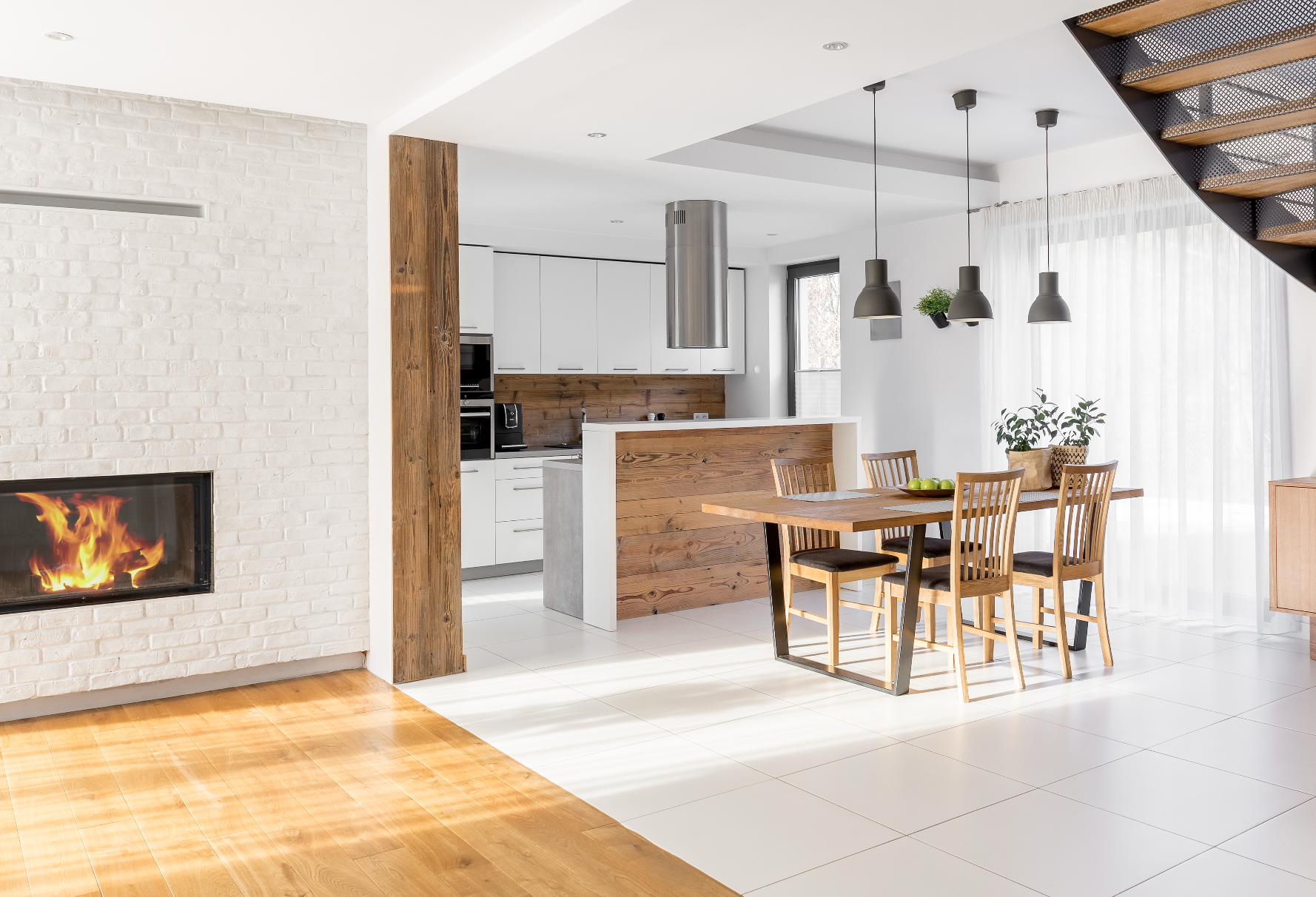
For wet zones, we often recommend color-body porcelain floor tile because it is dense, durable, and practical for everyday messes. In many Seattle-area condos, the best result is a balanced plan: quieter wood through the main living areas, then tile where water resistance matters more than acoustics.
Good condo flooring decisions connect the whole remodel
The smartest floor choice usually fits into a bigger sequence. If you are replacing cabinets, adjusting transitions, or reworking a bath, the order of trades affects both performance and finish quality. That is especially true when you need clean height changes between wood and tile.
Because we are more than a flooring store, we can coordinate those surrounding decisions too. When a condo update includes storage or layout changes, our cabinet selections can be part of the same plan, which helps avoid awkward transitions and last-minute compromises. If you want to preview combinations before making final calls, our flooring visualizer can help you narrow the look before installation begins.
The right condo floor should feel quieter, wear well, and make the whole home easier to live in. If you are weighing hardwood and tile for a shared-wall home, request a free in-home estimate.