

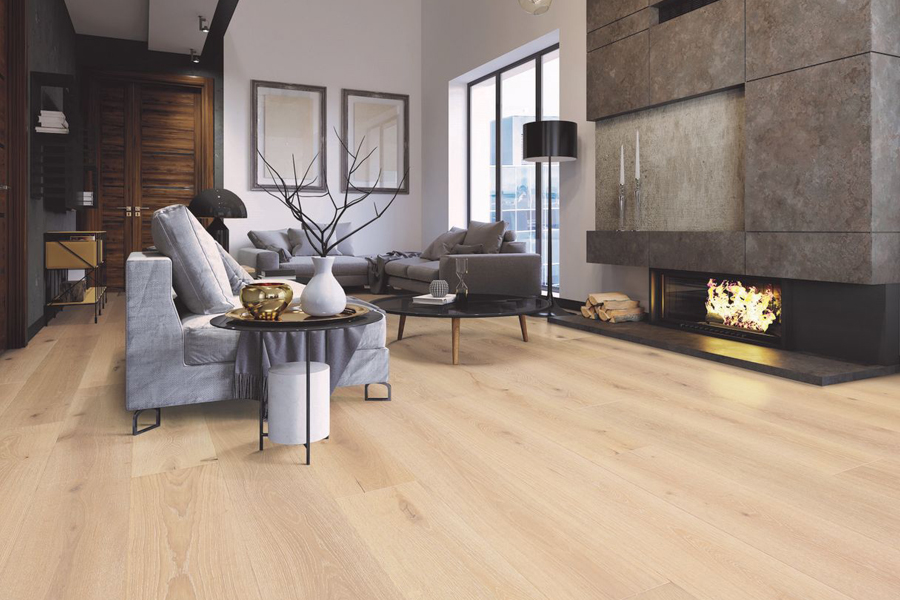
A rainy spring in Bellevue can leave grit at the entry, while a dry winter heat cycle can pull moisture out of wood you thought was stable. That is why floor care works best on a calendar, not as a once-a-year scramble. At E&A Pro Flooring, we guide homeowners to simple seasonal habits that protect both hardwood and tile without turning maintenance into a second job.
Spring: Clear Out Grit and Reset Moisture Habits
Spring is when floors show what winter tracked in. Fine sand, damp debris, and de-icing residue can scratch wood finishes and dull grout lines, especially near doors and kitchen paths. A thorough reset helps: vacuum with a hard-floor setting, use walk-off mats that actually catch debris, and wipe spills before they sit.
This is also a good season to check whether your wood is reacting to indoor swings. In our climate, many homeowners lean toward engineered options because they handle seasonal humidity better than traditional solid planks. If you are comparing species and styles, hardwood flooring info gives a helpful overview of what affects stability, finish, and long-term upkeep.
Summer: Protect Sunlight and Watch High-Traffic Wear
Summer light is beautiful, but it can age a floor unevenly. Direct sun may deepen some tones and mute others, so rotating rugs and furniture a little can keep the room from developing sharp color outlines. This matters even more with lighter species and wider boards, where contrast tends to show sooner across open living spaces.
It is also the right time to notice whether wear is cosmetic or structural. Surface dullness often responds to better cleaning routines, but boards with deeper scratches, finish loss, or localized damage may need more than maintenance. In older homes around Kirkland, we often help homeowners decide whether they need cleaning, refinishing and restoration, or selective repairs before damage spreads.
Fall: Prepare Entries, Kitchens, and Mud-Prone Zones
Fall is your setup season. Before wet shoes and leaf debris start crossing the threshold every day, make sure mats are large enough to catch moisture before it reaches the floor. This is especially important where hardwood runs right into an entry or kitchen, since repeated dampness at seams and edges causes more trouble than a single spill.
Tile earns its keep in these transition zones because it is easier to clean and less sensitive to moisture. If you are reworking an entry, laundry area, or bath, floor tile for wet zones is worth considering for durability under real Northwest traffic. In remodels where flooring changes meet cabinet or layout updates, we also help coordinate those selections with kitchen and bath design so the whole room works together.
Winter: Clean Gently and Inspect Before Problems Grow
Winter care is mostly about consistency. Grit acts like sandpaper, and puddles left along exterior doors can work into joints, grout, and trim. Use pH-appropriate cleaners, skip steam on hardwood, and keep felt pads in good shape under dining chairs that move more often during holiday gatherings.
This is also the best time to inspect, not just clean. Look for cupping, open seams, loose tile, cracked grout, or finish wear that no longer wipes away. Small issues are easier to correct when caught early, and they often tell you something useful about moisture, traffic patterns, or the original material choice.
A seasonal routine keeps floors looking better because it matches care to how people actually live. If you want help choosing the right maintenance plan or deciding what your current surfaces need, request a free in-home estimate.